Low light indoor plants occupy a special place in home décor because they make it possible for anyone—even those with dim rooms, shaded corners, or apartments with minimal natural sun—to enjoy the calming presence of greenery. While many houseplants depend on bright light to thrive, a surprising number are adapted to filtered sun, indirect illumination, or even the soft glow of lamps. Understanding how low light indoor plants behave, what they need, and which species can handle challenging environments allows you to create a lush indoor ecosystem that enhances mood, boosts indoor aesthetics, and promotes healthier living spaces.
Low light indoor plants are especially valuable in modern living situations where windows may be oriented north, partially obstructed, or tinted. These plants can provide a visual anchor, turn unremarkable areas into indoor sanctuaries, and establish a sense of rejuvenation without requiring ongoing sunlight exposure. With the right care, the following eight options can flourish in offices, bedrooms, hallways, and living rooms that only receive limited natural illumination.
This article presents eight of the best low light indoor plants and explains their features, benefits, care requirements, and ideal placement. Whether you’re a beginner or an experienced plant lover, these species are excellent choices for building a vibrant indoor garden.
1. Snake Plant (Sansevieria Trifasciata)
The snake plant is widely regarded as one of the most resilient low light indoor plants available. Its vertical, sword-shaped leaves make it an attractive décor element, especially in rooms where horizontal space is limited. Snake plants tolerate shade, infrequent watering, and varying humidity levels, making them ideal for busy homeowners or offices with inconsistent light.
Snake plants can tolerate extremely dim environments, though growth slows under these conditions. They prefer to dry completely between waterings and are relatively pest-resistant. This plant also performs well in bedrooms because it’s one of the few species that can continue limited nighttime oxygen release.
2. ZZ Plant (Zamioculcas Zamiifolia)
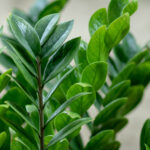
The ZZ plant is another standout among low light indoor plants due to its thick, waxy leaves that reflect even small amounts of available light. The plant stores water in its rhizomes, allowing it to endure long periods without watering, and it thrives in environments with fluorescent or LED lighting.
Because it tolerates neglect so well, the ZZ plant is perfect for beginners or plant owners who spend extended time away from home. Although it can grow under low light conditions, avoid total darkness to support healthy foliage development. Overwatering is the primary cause of failure with this species, so keep the soil on the drier side.
3. Pothos (Epipremnum Aureum)
Pothos is one of the most versatile low light indoor plants and is often recommended for interior decorators due to its attractive, trailing growth habit. It adapts to a wide range of environments, including offices, kitchens, and bedrooms, and is known for its fast growth when given even moderate indirect light.
In very low light, pothos leaves may lose some of their variegation, but the plant still thrives and remains visually appealing. Its ease of propagation is another advantage—cuttings root quickly in water or soil. Pothos also has a natural draping elegance that complements bookshelves, hanging baskets, and wall-mounted planters.
4. Peace Lily (Spathiphyllum)
Peace lilies are among the most popular low light indoor plants because of their lush leaves and elegant flowers. Although they bloom more readily in medium light, they tolerate low light settings exceptionally well, maintaining healthy green foliage.
This plant’s ability to communicate its needs is especially helpful for beginners. When it requires water, the leaves droop noticeably and then spring back after a thorough watering. Peace lilies also thrive in slightly humid environments, making them excellent choices for bathrooms with small windows or rooms with humidifiers.
5. Cast Iron Plant (Aspidistra Elatior)
True to its name, the cast iron plant is remarkably durable and one of the hardiest low light indoor plants you can grow. Its long, glossy leaves remain striking even under neglect, temperature fluctuations, and dim corners where many other species struggle.
The cast iron plant is slow growing, which makes it easy to maintain once it settles into its environment. It thrives in entryways, hallways, and basements with limited natural light, and its upright form gives it a clean, architectural appearance that suits modern interiors.
6. Chinese Evergreen (Aglaonema)
Chinese evergreens offer some of the most foliage variety among low light indoor plants, with leaf patterns ranging from silver and green to red-tinged varieties. Many cultivars are specifically bred for low light performance and remain vibrant even in shady conditions.
These plants appreciate evenly moist soil but do not tolerate waterlogged conditions. Their broad leaves help catch and utilize minimal available light, making them visually impactful in dark living spaces. They’re also excellent for office desks, lobby areas, and living rooms with filtered light.
7. Heartleaf Philodendron (Philodendron Hederaceum)
Known for its cascading vines and heart-shaped leaves, the heartleaf philodendron is one of the most classic low light indoor plants. It thrives in dim rooms, grows vigorously with minimal care, and adapts easily to hanging baskets, wall shelves, or tabletop pots.
The plant prefers slightly dry soil between waterings and grows well under artificial lighting. Its flexibility and forgiving nature make it a favorite among apartment dwellers who want lush greenery without complex maintenance routines.
8. Lucky Bamboo (Dracaena Sanderiana)
Lucky bamboo is celebrated for its sculptural appeal and ability to thrive in very low light conditions. Although not a true bamboo, it functions exceptionally well as one of the easiest low light indoor plants for desks and countertops. Lucky bamboo typically grows in water filled with small stones, though it can also be grown in soil.
Changing the water every two to four weeks and keeping the container clean helps maintain plant health. Lucky bamboo’s aesthetic shapes—spirals, braids, and bundles—make it particularly desired for feng shui purposes, offices, and minimalist interiors.
How to Care for Low Light Indoor Plants
Caring for low light indoor plants requires understanding how they respond to limited illumination. These species do not thrive in pitch-black environments, but they flourish in spaces with indirect, reflected, or artificial lighting.
Light:
While these plants are adapted to low light, you should still place them where they can receive gentle ambient light. The corner of a room, a few feet from a window, or near an LED lamp works well.
Water:
Overwatering is the most common mistake when caring for low light indoor plants. Lower light reduces evaporation rates, so soil often stays damp longer. Ensure pots have drainage holes and check moisture before watering.
Soil:
Use well-aerated potting mixes to prevent root rot. For water-growing plants such as lucky bamboo, change the water regularly.
Humidity:
Many low light indoor plants appreciate mild humidity. If your home is dry, consider adding a humidity tray or placing plants near a humidifier.
Cleaning:
Dust can reduce the amount of light absorbed by leaves. Wipe foliage gently every few weeks to help plants photosynthesize more efficiently.
Where to Place Low Light Indoor Plants
Strategic placement enhances both plant health and interior atmosphere:
-
Hallways: Ideal for snake plants, cast iron plants, and peace lilies.
-
Bedrooms: ZZ plants, philodendrons, and small pothos varieties thrive here.
-
Offices: Lucky bamboo and Chinese evergreens perform well under artificial lighting.
-
Bathrooms: Peace lilies enjoy the moisture and survive with minimal natural light.
These thoughtful placements not only support plant longevity but also improve the aesthetic cohesion of your living or working environment.
Common Mistakes to Avoid With Low Light Indoor Plants
-
Assuming zero light is acceptable:
True low light is not the same as no light. These plants still need some illumination. -
Overwatering:
Because evaporation slows in low-light areas, excessive watering frequently leads to root rot. -
Using heavy soils:
Dense soil reduces airflow and traps moisture, increasing the risk of fungal issues. -
Not rotating plants:
Rotate pots every few weeks so leaves grow evenly toward available light. -
Ignoring humidity levels:
Some plants, particularly peace lilies and Chinese evergreens, will brown at the edges if kept too dry.
Conclusion
Low light indoor plants give you the opportunity to cultivate a refreshing indoor atmosphere even when sunlight is scarce. With the eight species covered in this article—snake plant, ZZ plant, pothos, peace lily, cast iron plant, Chinese evergreen, heartleaf philodendron, and lucky bamboo—you can build a dynamic and long-lasting collection. Their resilience, aesthetic appeal, and adaptability make them excellent companions for modern lifestyles. By understanding their preferences and care requirements, you can enjoy a thriving indoor garden in every corner of your home.