Introduction
A beginner gardening guide should do more than offer simple instructions. It should help new gardeners understand the deeper rhythm of plants, soil, seasons, and care. Many first-time gardeners start with enthusiasm but quickly become overwhelmed by conflicting advice, plant failures, or confusing terminology. A clear beginner gardening guide provides direction, confidence, and structure so that both small and large spaces can become thriving, productive environments.
Gardening offers personal satisfaction, fresh food, and meaningful time outdoors. But without guidance, the early stages may feel intimidating, especially for those unfamiliar with soil types, sunlight patterns, or watering methods. This beginner gardening guide breaks down every essential step into simple language and practical action. The goal is to remove uncertainty and replace it with clarity so new gardeners can start strong.
This article presents 12 foundational steps that form a complete beginner gardening guide. Each step builds on the last, creating a roadmap that turns curiosity into competence. Whether you’re planning a balcony herb garden, a patio vegetable container setup, or a full backyard plot, these principles apply universally and will support your growth as a gardener.
1. Understand Your Growing Space
The first step in any beginner gardening guide is evaluating your space honestly. Your available sunlight, soil quality, and physical layout determine what plants will thrive. A small balcony limits you to containers, while a larger yard opens the door to raised beds or garden rows. Take time to observe your space throughout the day. Consider wind exposure, shade from buildings or trees, and how much room you realistically want to maintain.
2. Know Your Plant Hardiness Zone
Every region has a climate classification known as a hardiness zone. A helpful beginner gardening guide emphasizes that this number is essential, especially for perennials that must survive winter frost. Planting something outside your zone often results in poor growth or seasonal die-off. Once you know your zone, you can select plants suited to your climate rather than relying on guesswork.
3. Start with Easy, Low-Maintenance Plants
A successful beginner gardening guide recommends choosing forgiving plants at first. Herbs such as basil, parsley, mint, and thyme grow quickly and tolerate minor mistakes. Vegetables like lettuce, radishes, and cherry tomatoes also provide fast rewards. These easy plants build confidence and allow beginners to learn fundamental care routines while enjoying consistent results.
4. Learn How Much Sunlight Your Plants Need
Sunlight is one of the most decisive factors in plant growth. A reliable beginner gardening guide explains that most vegetables require six to eight hours of direct sunlight. Shade-tolerant options like ferns, lettuce varieties, and hostas grow well in lower light. Observe your space carefully, noting the duration and intensity of sunlight at different times of day. Matching plants to your actual lighting conditions prevents disappointment later.
5. Improve Your Soil for Healthy Growth
Healthy soil is the foundation of a productive garden. A solid beginner gardening guide teaches that soil must have good structure, proper drainage, and adequate nutrients. If your soil is compacted or sandy, amend it with compost to improve texture and fertility. Organic matter increases microbial activity, supports root health, and helps plants access water more efficiently. Even container gardeners benefit from high-quality potting mixes rather than cheap soil alternatives.
6. Invest in Simple, Essential Garden Tools
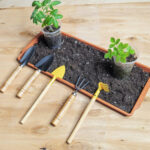
You do not need a full range of professional tools. A practical beginner gardening guide suggests starting with a hand trowel, gloves, pruning shears, a watering can, and a kneeling pad. These basic tools handle planting, pruning, watering, and general upkeep. As your garden expands, you may add a garden fork, rake, or hose system, but simplicity is best for beginners.
7. Water Correctly to Avoid Common Mistakes
Improper watering is the leading cause of plant problems. A clear beginner gardening guide stresses deep watering rather than shallow, frequent sprinkling. Water until moisture reaches the roots but avoid leaving soil constantly soggy. Overwatering leads to root rot, fungal issues, and weak growth. Underwatering causes leaf drooping, stunted development, and premature bolting in vegetables. Learn your plant’s specific needs and adjust for seasonal weather changes.
8. Use Containers When Starting Small
Container gardening offers tremendous advantages for beginners. This beginner gardening guide recommends starting with containers if you feel uncertain about soil quality or long-term commitment. Containers allow mobility, letting you shift plants to sunnier locations or protect them from extreme heat or storms. They also reduce weed problems and make watering more controlled. Many beginners who start with containers later expand confidently into raised beds.
9. Add Fertilizer to Support Steady Growth
Plants use nutrients quickly, especially during active growing periods. A practical beginner gardening guide encourages using natural fertilizers like compost, worm castings, fish emulsion, or slow-release organic pellets. These options nourish plants gently and help maintain long-term soil health. Avoid overfertilizing, which can burn roots or stimulate excess leaf growth at the expense of flowers and fruit.
10. Prepare for Common Garden Pests
Even the healthiest garden encounters pests. A realistic beginner gardening guide helps you prepare without resorting to harsh chemicals. Neem oil, insecticidal soap, and floating row covers offer safe and effective protection. Companion planting, such as growing rosemary, lavender, or marigolds, deters pests naturally. Regular inspection helps you catch early signs of trouble, such as discoloration, bite marks, or sticky residue on leaves.
11. Keep a Garden Journal to Track Progress
A garden journal is invaluable for beginners. In this beginner gardening guide, journaling helps you understand patterns in watering, pruning, sunlight exposure, and plant performance. Record what you planted, where you planted it, and how it responded to your care. Over time, you will notice which varieties thrive in your environment and which require adjustments.
12. Expand Slowly to Avoid Overwhelm
Many gardeners make the mistake of planting too much at once. A wise beginner gardening guide encourages starting with a small number of plants or one manageable raised bed. As your skills grow, expand gradually. This approach prevents burnout, reduces maintenance stress, and gives you time to truly understand your garden.
Conclusion
A well-designed beginner gardening guide helps new gardeners avoid guesswork and develop confidence. By breaking gardening into 12 simple steps, this guide gives you the clarity needed to grow healthy plants in any space. Whether you are experimenting with herbs, exploring container gardening, or planning a backyard plot, these principles help you build a sustainable, enjoyable gardening practice. With patience and consistent care, your garden will evolve into a space that reflects creativity, nourishment, and natural beauty.